Xiaofeng Tan · 谭晓锋
不要紧,山野都有雾灯
The Wanderer(任我行)

I am a final-year M.Sc. student in the PALM Lab at Southeast University (SEU), advised by Prof. Hongsong Wang, and expect to graduate in June 2027. I am currently a research intern at Tencent HY and also collaborate remotely with Prof. Ming-Hsuan Yang at UC Merced. Previously, I interned at Tencent’s Youtu Lab and, before that, was a remote visiting student in the LV LAB at Singapore Management University (SMU), working closely with Prof. Pan Zhou. I received dual bachelor’s degrees in Computer Science (B.E.) and Mathematics (B.Sc.) from Shenzhen University (SZU) in 2024.
I am looking for Ph.D. opportunities starting in Fall 2027. If you are interested in collaborating on RL or AIGC, please feel free to reach out via 📧 or 💬 😊. You can find more about my background in my CV / 中文简历.
我是东南大学 PALM 实验室的硕士三年级学生,师从王洪松教授,预计于 2027 年 6 月毕业。目前在腾讯混元担任研究实习生,同时与加州大学默塞德分校的 Ming-Hsuan Yang 教授开展远程科研合作。此前,我曾在腾讯优图实验室实习,也曾作为远程访问学生,在新加坡管理大学 LV 实验室与周攀教授合作。2024 年,我获得了深圳大学计算机科学与数学双学位,分别为工学学士和理学学士。
我计划申请 2027 年秋季入学的博士项目。如有意在 RL 或 AIGC 方向合作,欢迎通过 📧 或 💬 与我交流 😊。更多信息请见英文简历 / 中文简历。
| Oct 22, 2026 | Scholarship 奖学金 🏆 SEU President’s Scholarship (Special Award): 10 of ~19,500 master’s students (~0.051%). 🏆 作为计算机学院唯一硕士代表获东南大学特奖——校长奖学金,全校约 19,500 名硕士生中仅 10 人获奖(约 0.051%)。 |
|---|---|
| Oct 08, 2026 | Service 学术服务 🏅 I am honored to be selected as a Top Reviewer for NeurIPS 2026! 🏅 很荣幸获评 NeurIPS 2026 Top Reviewer! |
| Oct 04, 2026 | Research 研究 🎉 MotionRFT (co-first author) has been accepted by TPAMI! 🎉 MotionRFT(共同一作)被 TPAMI 录用! |
| Sep 25, 2026 | Research 研究 🎉 Our flow-based RLHF theory paper (first author) was accepted to NeurIPS 2026 as a Spotlight! 🎉 我的Flow-based RLHF 理论论文(一作)被 NeurIPS 2026 录用为 Spotlight! |
| Aug 28, 2026 | Research 研究 🎉 FG-Diff (first author) has been accepted to IEEE Transactions on Image Processing (TIP)! 🎉 FG-Diff(一作)被 IEEE Transactions on Image Processing(TIP) 录用! |
| May 13, 2026 | Service 学术服务 🏅 I am honored to be selected as a Gold Reviewer for ICML 2026! 🏅 很荣幸获评 ICML 2026 金牌审稿人! |
| Mar 31, 2026 | Internship 科研实习 👏 I have joined Tencent HY(混元) as a Research Intern! Looking forward to exploring RLHF, and AIGC. 👏 我已加入腾讯混元担任研究实习生,期待探索 RLHF 和 AIGC。 |
| Jan 26, 2026 | Research 研究 🎉 EasyTune (co-first author) has been accepted to ICLR 2026! 🎉 EasyTune(共同一作)被 ICLR 2026 录用! |
| Nov 08, 2025 | Research 研究 🎉 ReAlign (co-first author) has been accepted to AAAI 2026! 🎉 ReAlign(共同一作)被 AAAI 2026 录用! |
| Oct 26, 2025 | Scholarship 奖学金 🏆 I am honored to receive the Tencent-SEU Scholarship and Southeast University First-Class Academic Scholarship. 🏆 很荣幸获得腾讯–东南大学奖学金和东南大学一等学业奖学金。 |
| Sep 19, 2025 | Research 研究 🎉 SoPo (first author) has been accepted to NeurIPS 2025! 🎉 SoPo(一作)被 NeurIPS 2025 录用! |
| Jul 01, 2025 | Internship 科研实习 👏 I become a research intern at Youtu Lab(优图实验室)@ Tencent. 👏 我开始在腾讯优图实验室担任研究实习生。 |
| Dec 24, 2024 | Research 研究 🎉 Merry Xmas! One paper from my undergraduate research (student first author) is accepted by TKDE! 🎉 圣诞快乐!我的一篇本科研究论文(学生一作)被 TKDE 录用! |
| Sep 13, 2024 | Education 教育经历 🏃🏻➡️ Officially started my M.Sc journey at SEU. 🏃🏻➡️ 正式开启在东南大学的硕士学习。 |
| Jun 29, 2024 | Recognition 荣誉认可 🎙️ I am honored to deliver a speech at the graduation ceremony on behalf of all graduates. 🎙️ 很荣幸作为毕业生代表在毕业典礼上发言。 |
| Jun 12, 2024 | Recognition 荣誉认可 🌈 I am honored to be interviewed by SZU as an outstanding student, and it was published in the 2024 Shenzhen University Admissions Guide. 🌈 很荣幸作为优秀学生接受深圳大学采访,相关报道收录于《深圳大学 2024 年招生指南》。 |







I study the fundamental principles of post-training and alignment for generative models, with text-motion alignment and large-scale text-to-image post-training in industry as application settings.

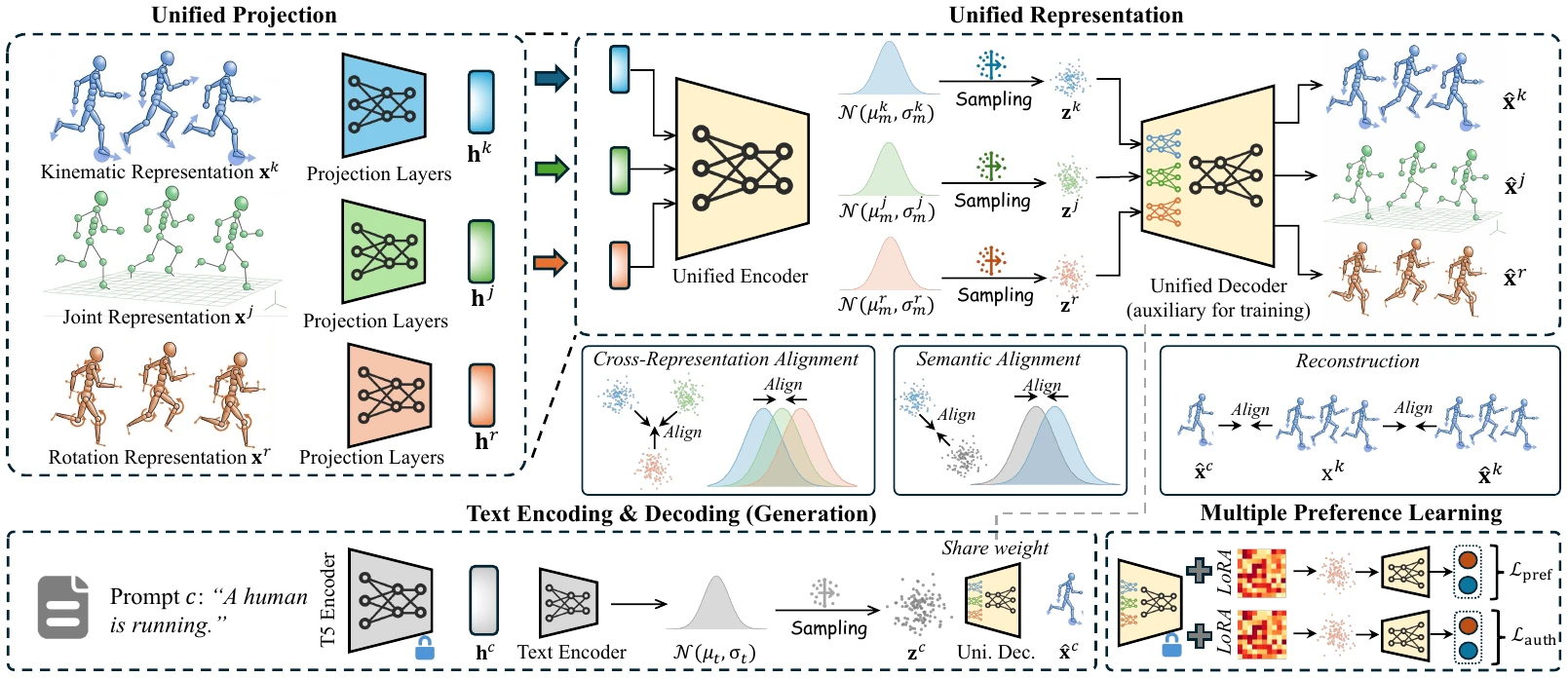
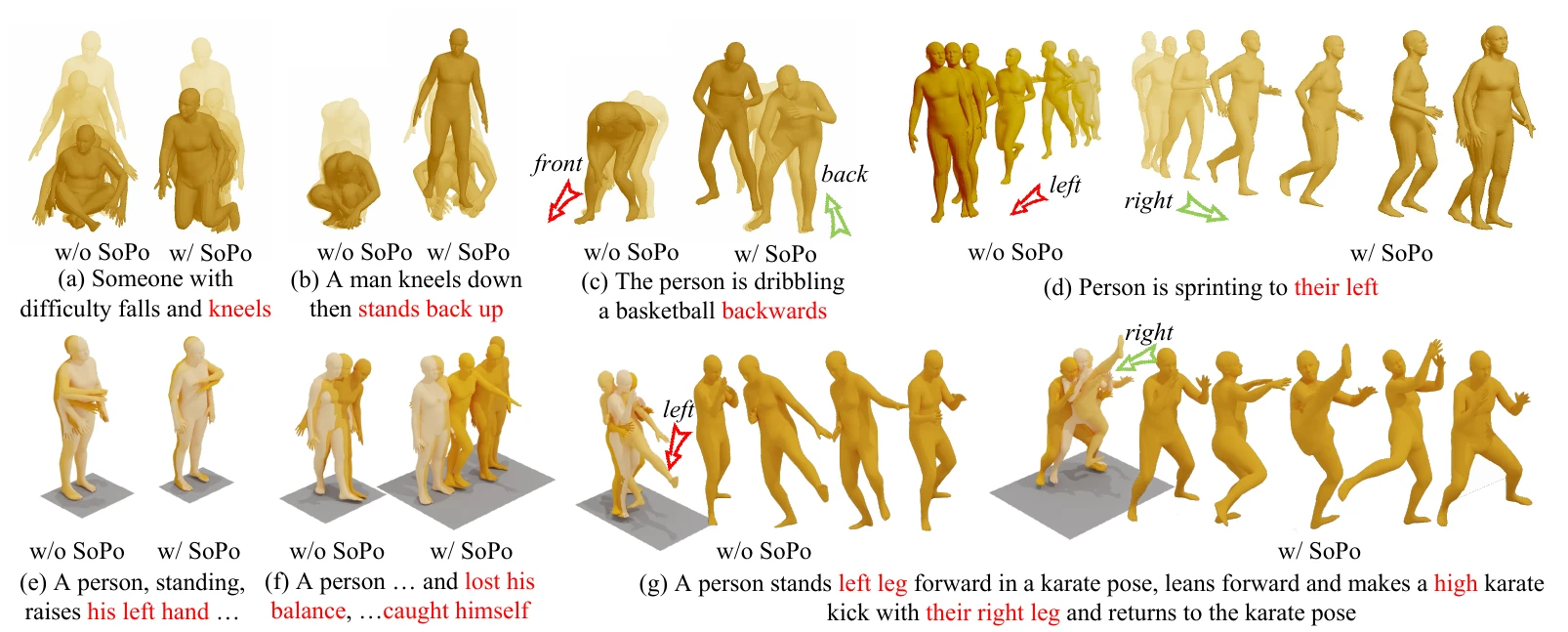
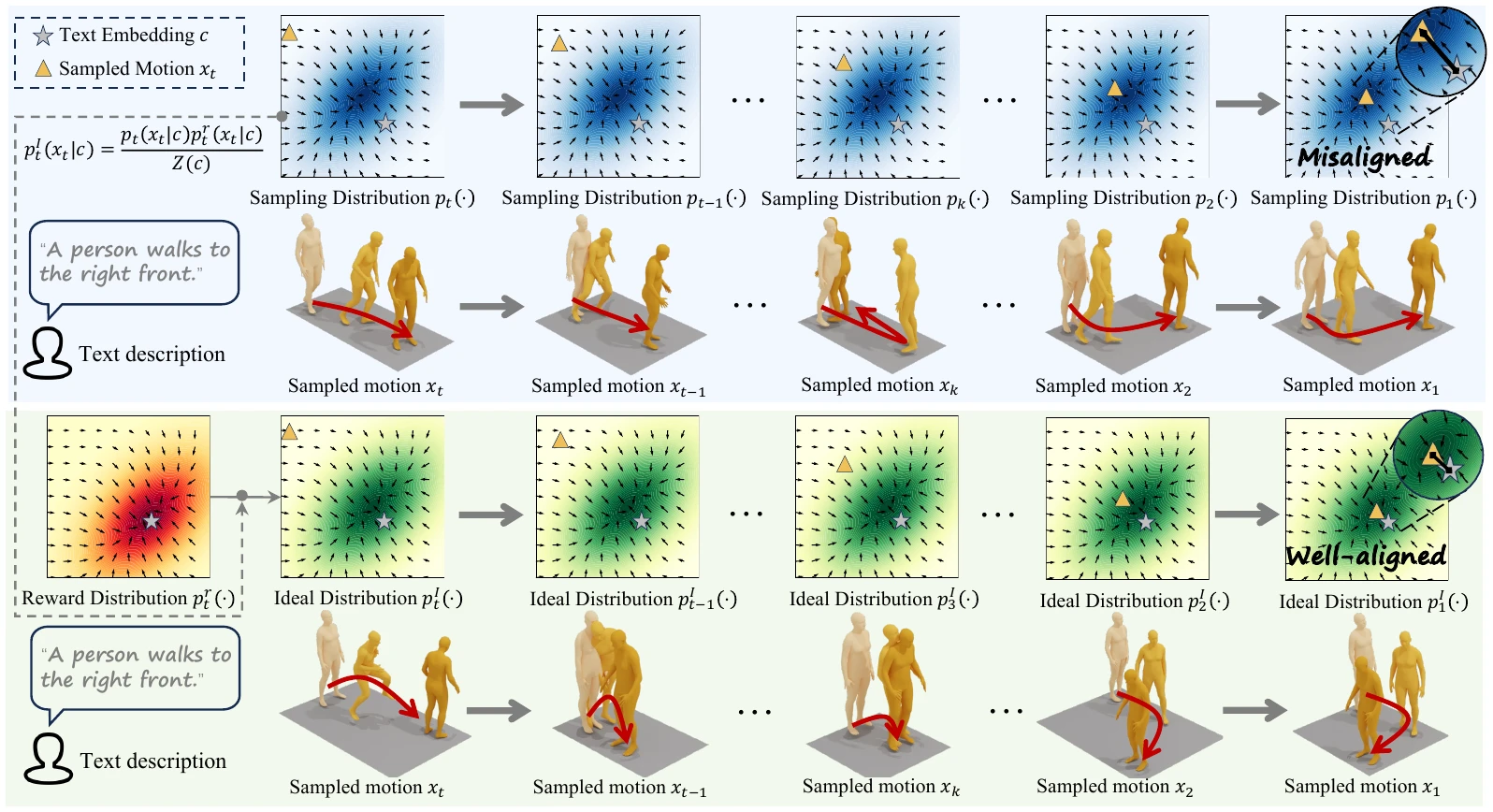
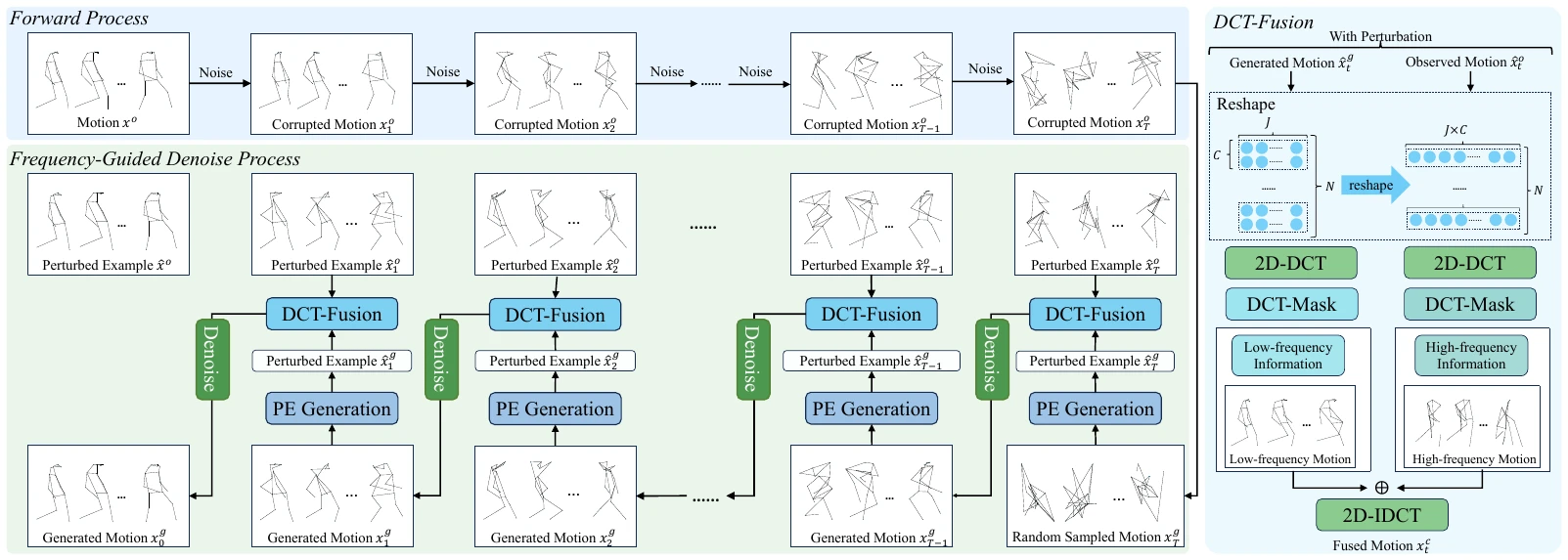
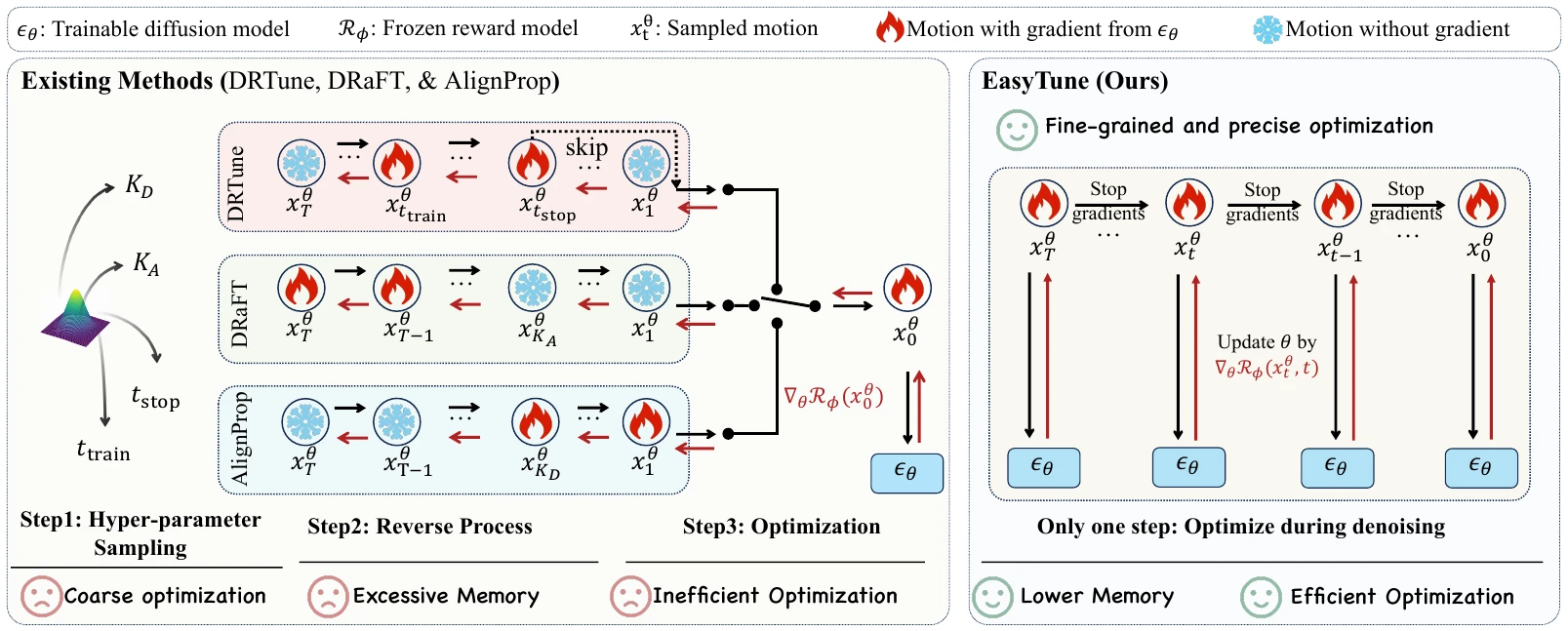
At PALM@SEU, advised by Prof. Hongsong Wang, I work with Wanjiang Weng and Haodong Lei, and collaborate with Prof. Pan Zhou at SMU, on text–motion alignment in motion generation: SoPo (NeurIPS 2025) addresses scarce preference pairs and sampling bias; ReAlign (AAAI 2026) aligns pretrained generators without fine-tuning; and EasyTune (ICLR 2026) improves alignment with substantially less memory. Building on this, MotionRFT (IEEE TPAMI 2026) extends post-training across motion representations, improving HY Motion’s FID by 23.3%.

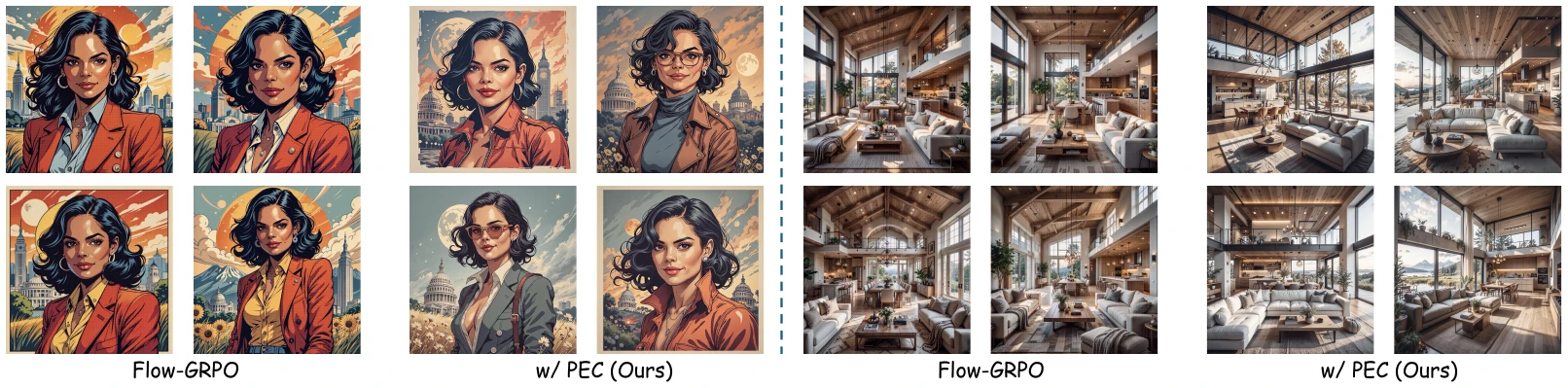
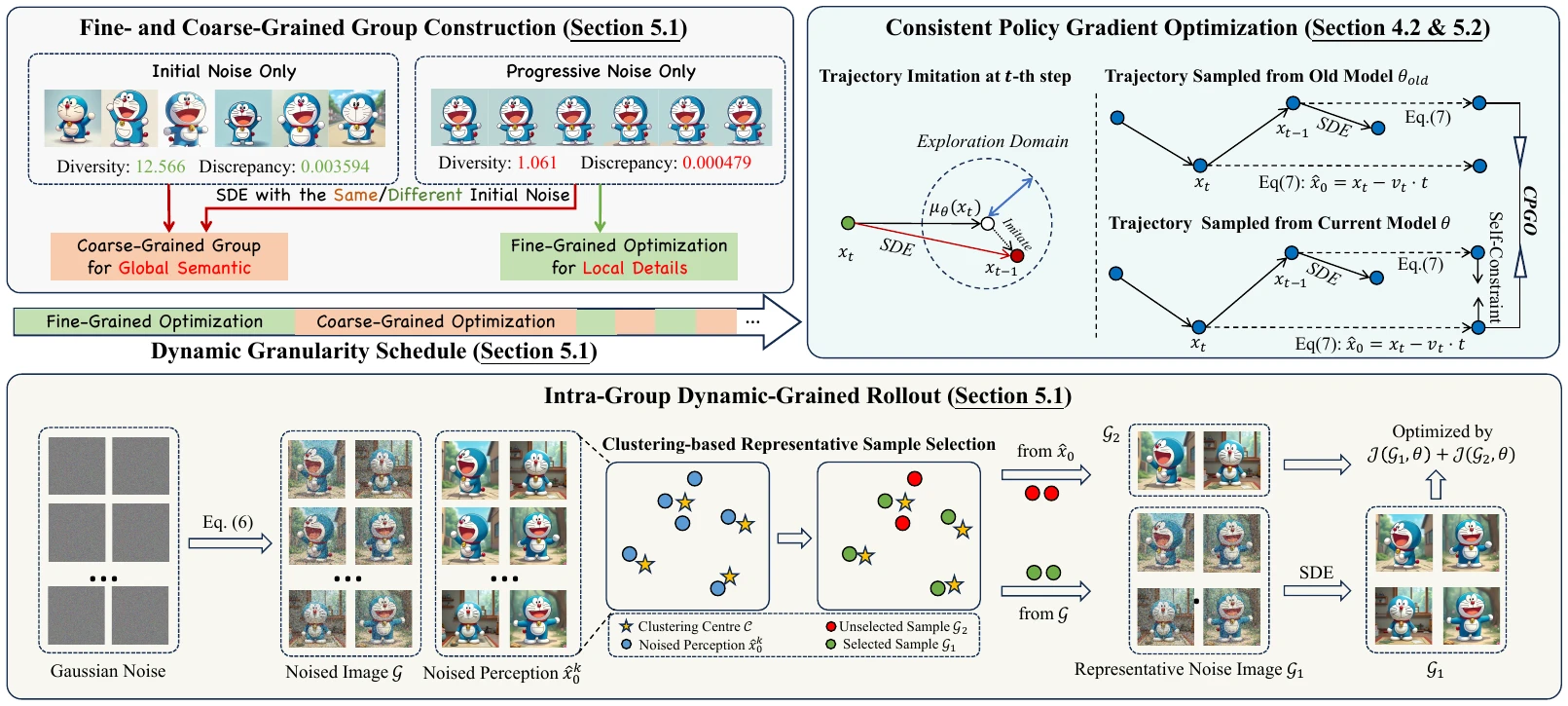
At Tencent YouTu, I worked with Jun Liu, Bin-Bin Gao, and Yuanting Fan at Tencent, and Prof. Feng Zheng and Xi Jiang at SUSTech, on the key barriers in image-generation post-training: DPGO (under review) reduces low- and high-level perceptual hallucinations by 49% and 38% on average, respectively; PEC (NeurIPS 2026, Spotlight) mitigates diversity collapse, raising the evaluated quality–diversity score from 0.366 to 0.734.
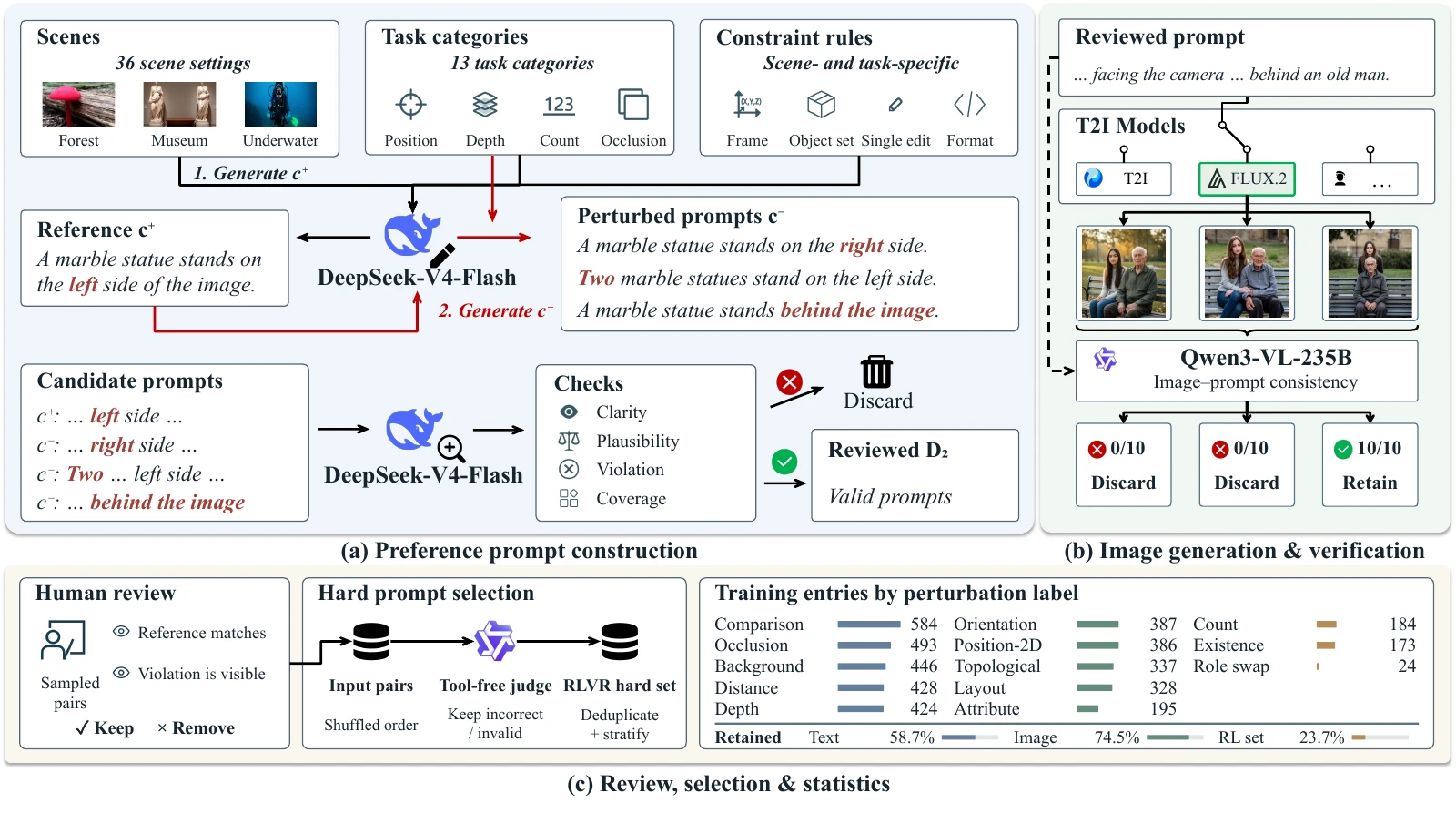
At Tencent HY, I study the reliability of reward supervision and learning progression, collaborating with Prof. Ming-Hsuan Yang, Haobo Yuan, and Tiancheng Shen as a remote visiting student at UC Merced. Our SpatialCritic (under review) addresses these challenges in spatial generation, achieving 95.08% spatial-preference verification accuracy on our SpaRW-Eval benchmark.
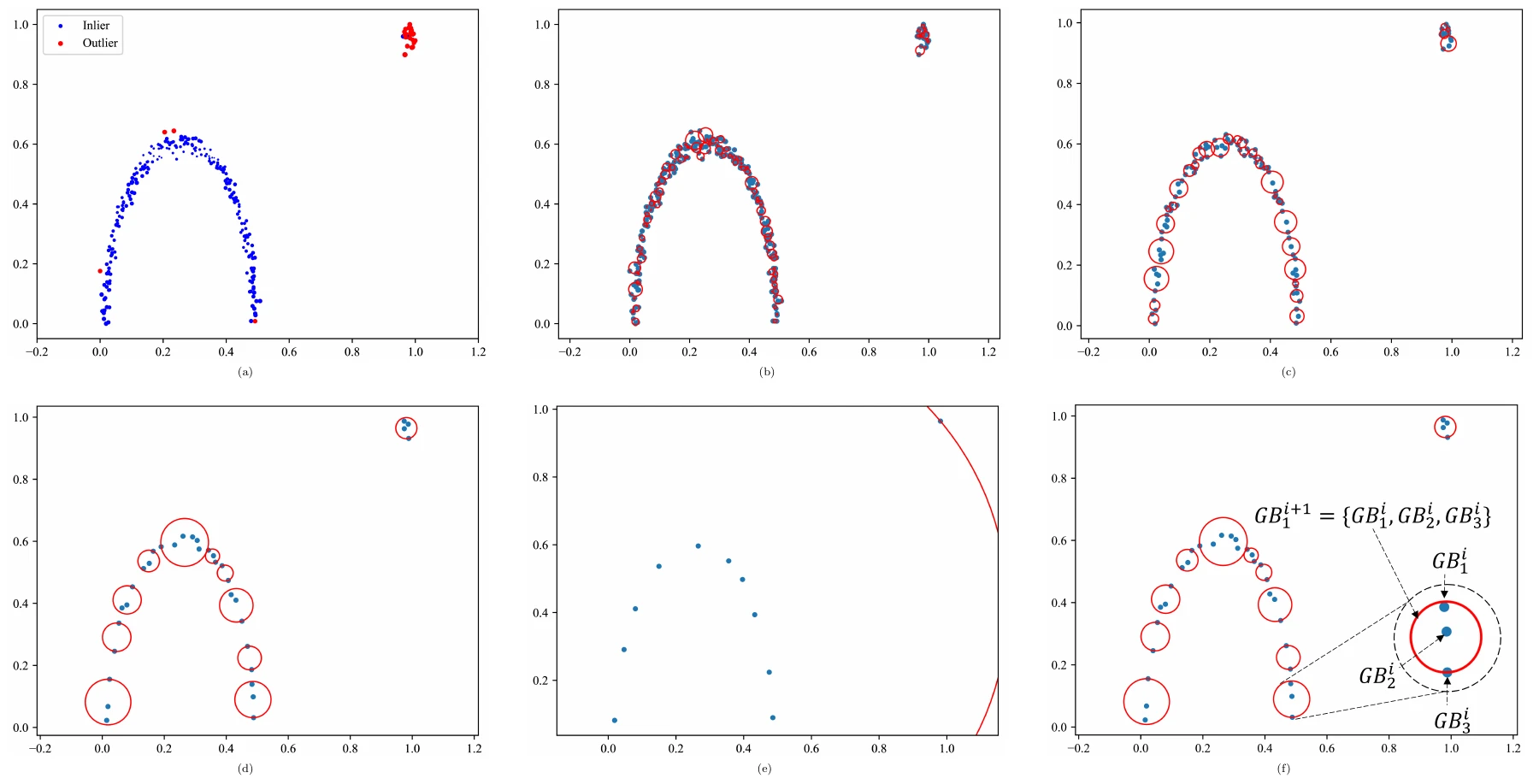
My earlier anomaly-detection work includes MGBOD (IEEE TKDE 2024) with Prof. Can Gao at SZU, and FG-Diff (IEEE TIP 2026) for video anomaly detection with Prof. Hongsong Wang at PALM@SEU.
Looking ahead, I hope to explore video generation, world models, and embodied intelligence, with an emphasis on physical consistency, while further investigating the fundamental principles of generative models.
我研究生成模型后训练与对齐的基础原理,以文本与动作对齐,以及工业界大规模文生图模型的后训练为应用场景。
在 PALM@SEU,我在 Hongsong Wang(王洪松)教授指导下,与 Wanjiang Weng、Haodong Lei,以及 SMU 的 Pan Zhou(周攀)教授合作,研究动作生成中的文本与动作对齐:SoPo(NeurIPS 2025)应对偏好对稀缺与采样偏差;ReAlign(AAAI 2026)无需微调即可对齐预训练生成模型;EasyTune(ICLR 2026)在提升对齐效果的同时大幅降低显存开销。在此基础上,MotionRFT(IEEE TPAMI 2026)将后训练拓展至不同动作表示,使 HY Motion 的 FID 改善 23.3%。
在 Tencent YouTu,我与腾讯的 Jun Liu、Bin-Bin Gao、Yuanting Fan,以及南方科技大学的 Feng Zheng 教授、Xi Jiang 合作,研究图像生成后训练中的关键障碍:DPGO(在投)使低层、高层感知幻觉分别平均减少 49%、38%;PEC(NeurIPS 2026,Spotlight)缓解多样性崩溃,将所评测的质量与多样性综合得分从 0.366 提升至 0.734。
在 Tencent HY,我进一步研究奖励监督的可靠性与学习进程,并以远程访问学生身份与 UC Merced 的 Ming-Hsuan Yang 教授、Haobo Yuan、Tiancheng Shen 合作。我们提出的 SpatialCritic(在投)针对空间生成中的这些问题,在我们构建的空间偏好评测基准 SpaRW-Eval 上实现 95.08% 的验证准确率。
我的早期异常检测工作包括在 SZU 与 Can Gao 教授开展的 MGBOD(IEEE TKDE 2024),以及在 PALM@SEU 与 Hongsong Wang(王洪松)教授开展的视频异常检测工作 FG-Diff(IEEE TIP 2026)。
下一步,我希望探索视频生成、世界模型与具身智能,重点关注物理一致性,同时进一步探究生成模型的基础原理。
Outside research, I enjoy exploring ideas across science, engineering, and the humanities.
I'm a Doraemon fan, as the little companions in the bottom corners suggest.
I practice hard-pen calligraphy, often drawing inspiration from Zhong'an Gu.
I also enjoy visiting exhibitions.
Over a decade ago, I was an avid Chinese chess (xiangqi) player, an individual bronze medalist and a member of a championship-winning team in city-level competitions, though I'm no longer as drawn to the game. I also play table tennis and badminton.
科研之外,我喜欢从科学、工程和人文中寻找新的视角。
我很喜欢哆啦 A 梦,所以页面下方的角落里有它陪伴。
我练习硬笔书法,尤其欣赏顾仲安的作品。
我也常看展览。
十多年前,我很喜欢下中国象棋,曾在市级比赛中获得个人赛季军、团体赛冠军等成绩,不过已经多年没有接触了。平时我也会打乒乓球和羽毛球。
Music is another way I unwind. Gareth.T (汤令山)'s Loner Anthem (国际孤独等级) is a particular favorite, and I also enjoy Eason Chan (陈奕迅)'s The Wanderer (任我行) and Crowd Lu (卢广仲)'s A Few Percent (几分之几).
音乐也是我放松的一种方式。我尤其喜欢Gareth.T(汤令山)的《国际孤独等级》(Loner Anthem),也常听Eason Chan(陈奕迅)的《任我行》(The Wanderer)和Crowd Lu(卢广仲)的《几分之几》(A Few Percent)。
Over the past couple of years, I have also grown to love traveling, especially hiking and coastal landscapes. The mountains and coast of California, along with the coastline of Okinawa, have been especially memorable. Shenzhen and Hong Kong, two cities where I have lived for many years, are also wonderful places for hiking and spending time by the sea.
近一两年,我也逐渐喜欢上旅行,尤其是徒步和山海风光。加州的山海和冲绳的海景尤其令我印象深刻。深圳和香港这两座我居住了很久的城市,也很适合徒步和看海。
Based on our long history of conversations, GPT, Gemini, and Doubao all characterize me as an INTJ, although these conversations have primarily been work-related and may introduce some bias. I share it as a reference for potential collaborators.
基于长期聊天记录,GPT、Gemini 和豆包均判断我是 INTJ,但这些对话主要围绕工作,可能带来一定偏差。分享于此,供未来的合作者参考。